
Time and environmental factors always leave their mark on the face, in the form of wrinkles and sagging skin. Understanding what skin rejuvenation actually is is the first step toward taking control of how your skin ages. Here is a full, practical look at the most common ways to restore healthy, revitalized skin.
What is skin rejuvenation?
Skin rejuvenation is a combination of methods, applied both from the outside and from within, that reverse visible signs of aging and restore the skin’s structure and firmness.
If you are asking what facial skin rejuvenation is, it’s the process of reactivating the skin’s natural collagen and elastin production, which helps regenerate new skin cells. The ultimate goal isn’t just to fade wrinkles, but to restore the skin’s healthy “ecosystem” so the face looks radiant again.
Signs of skin aging and why rejuvenation matters
Common signs of skin aging
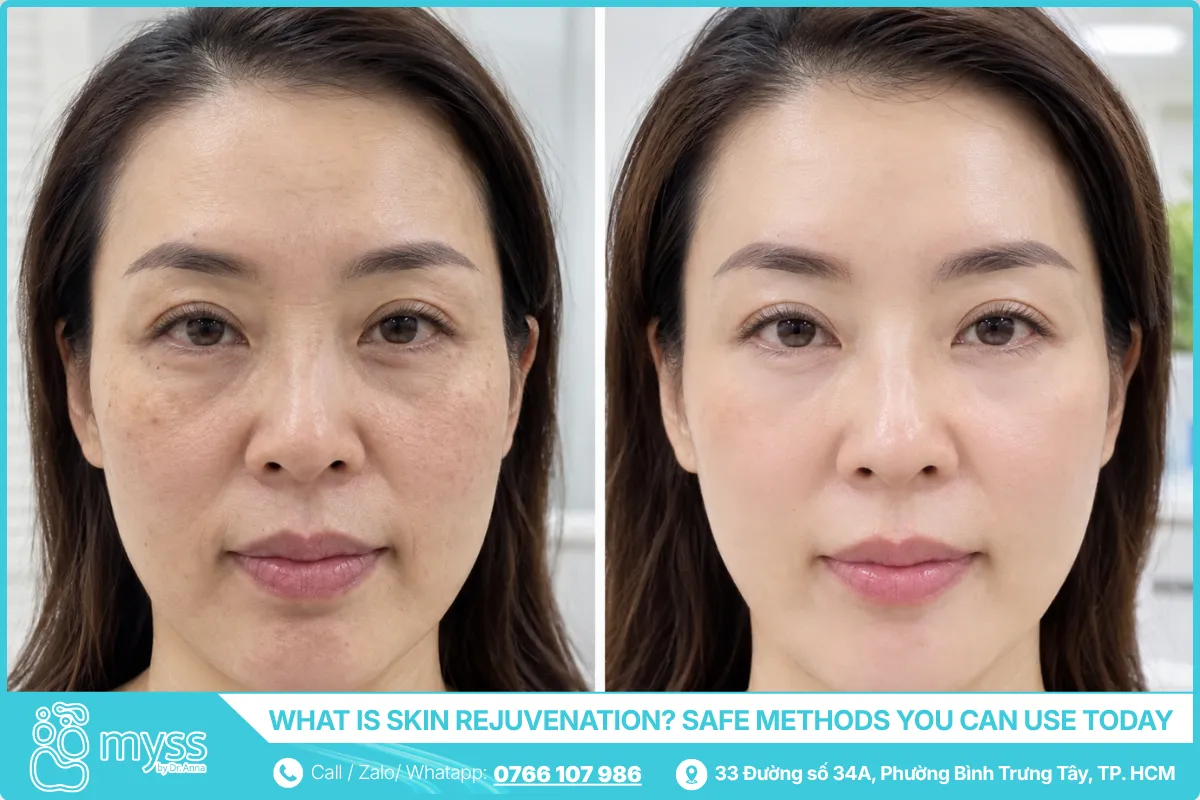
Skin quality doesn’t decline overnight. You’ll first notice a rougher texture, enlarged pores, and fine lines appearing around the eyes and mouth.
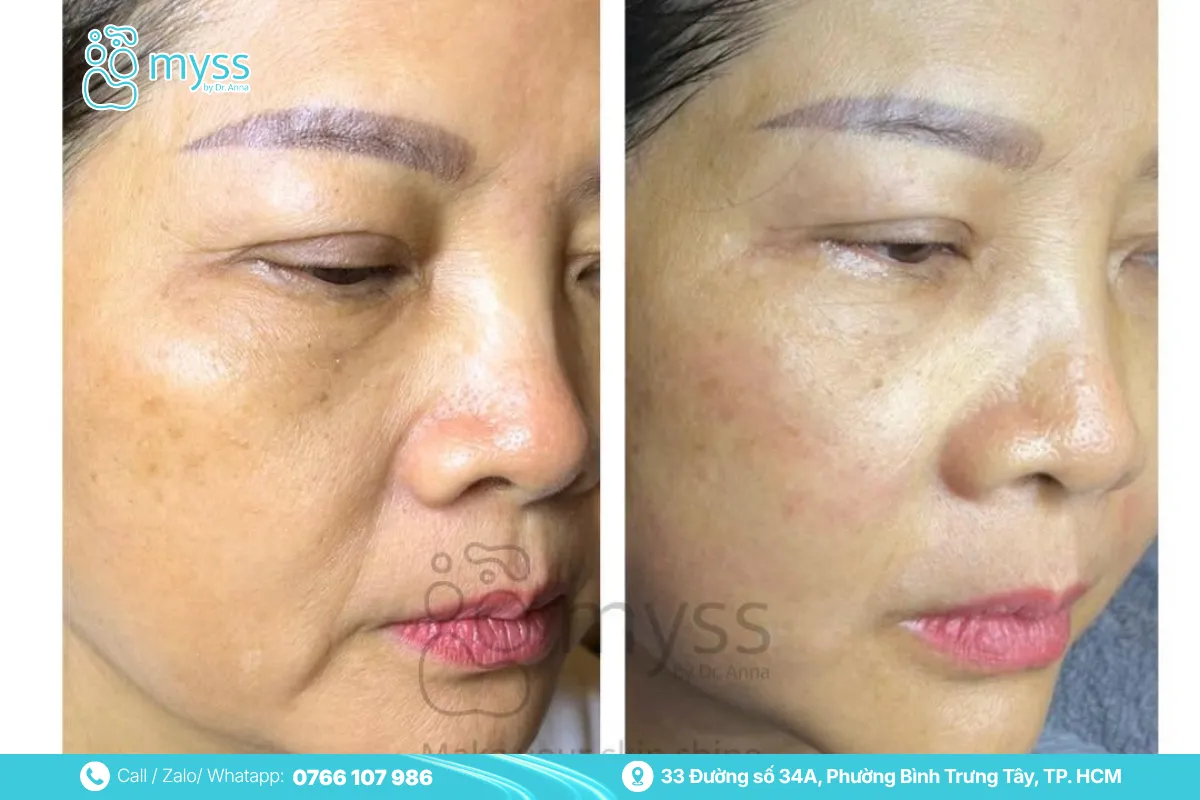
More advanced signs include sagging skin that has lost its natural elasticity. At the same time, melanin buildup forms dark spots and melasma, making the whole face look tired and older than it is.
Why skin ages early
Besides age, which naturally breaks down collagen fibers, UV rays from sunlight are the number-one factor damaging skin structure at a deep level.
Chronic stress, an unhealthy lifestyle (lack of sleep, excess sugar) and environmental pollution also speed up oxidation. These factors drain the skin’s natural moisture, leaving it unable to repair itself.
Benefits of facial skin rejuvenation
Actively rejuvenating your skin brings value that goes well beyond appearance. First, it helps redefine facial contours, giving you a radiant, firm, and younger-looking face than your actual age.
On the psychological side, a well-cared-for appearance is a key driver of confidence in both communication and work. Beyond that, these treatments also strengthen the skin’s cellular resilience, building a stronger barrier against environmental damage.
Common skin rejuvenation methods today
Skin aging shows up through wrinkles and dark spots, driven by age, environment, and lifestyle habits.
At-home skin care
This is the core foundation of any beauty routine. Using targeted actives such as Retinol, Vitamin C, Peptides, or AHA/BHA stimulates cell renewal slowly but sustainably. Combining this with regular facial massage and daily sunscreen helps maintain results long-term.
Medical aesthetic technology
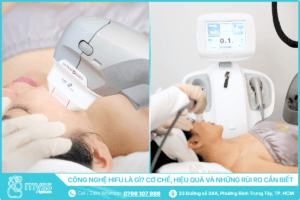
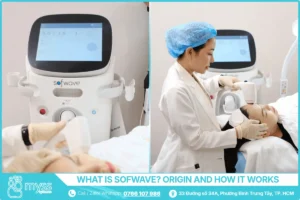
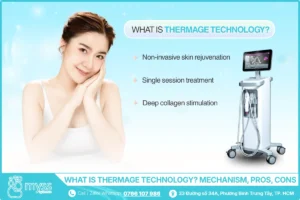
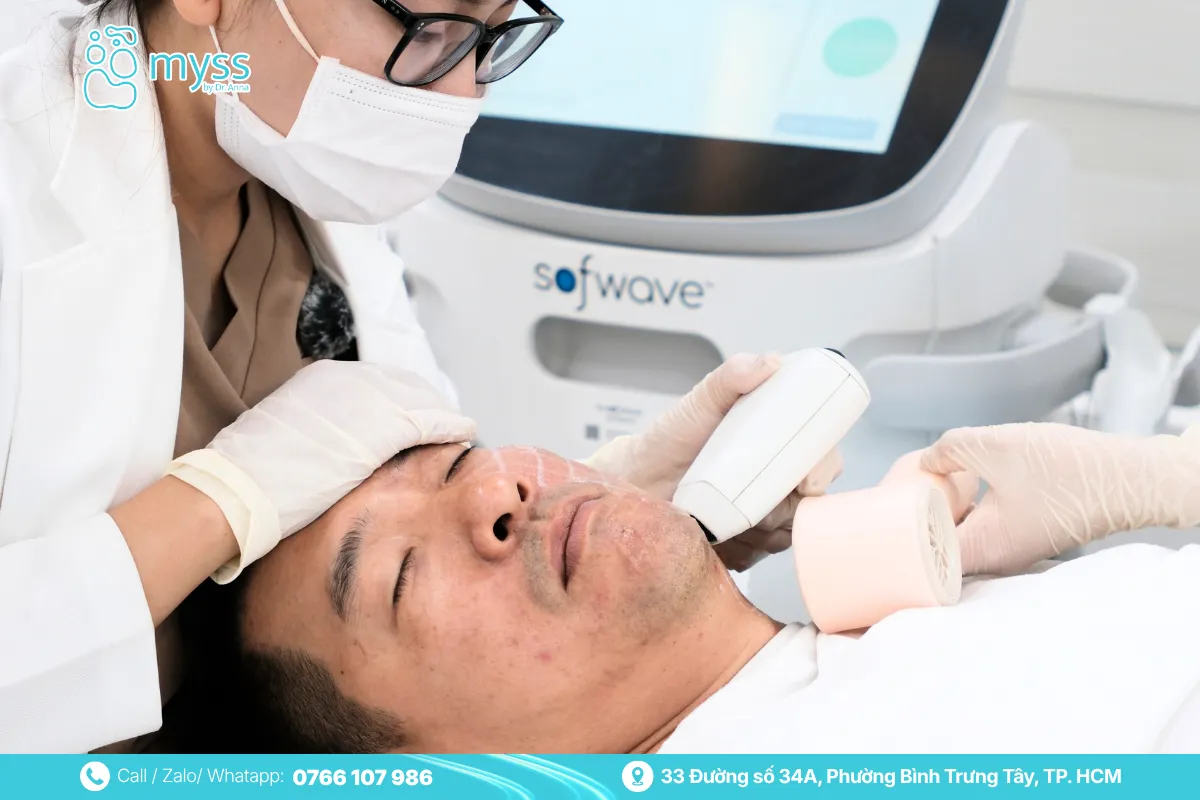
Best suited for people who want clear, safe results without downtime. Advanced technologies such as Thermage, Ultherapy, HIFU and Sofwave use radiofrequency or focused ultrasound waves to lift the deep tissue layers.
Alongside these, chemical peels, mesotherapy (nutrient infusion) and laser treatments are also highly regarded by professionals for smoothing wrinkles and treating pigmentation at a deeper level. If you’d like to learn more about mesotherapy, Myss Clinic’s skin rejuvenation and lifting service can walk you through which technology fits your skin.
Surgical skin rejuvenation
When aging is more advanced and excess, sagging skin is significant, a facelift is the most effective solution. This method works directly on the SMAS layer (the muscle fascia layer), fully removing sagging skin and delivering dramatic, long-lasting rejuvenation that can last for decades.
How long does a skin rejuvenation treatment plan usually take?
Timeline by method
There’s no single answer that applies to everyone. A high-tech treatment such as Thermage usually takes only about 60-90 minutes for a single session.
Meanwhile, methods like mesotherapy or chemical peels are done in a series. Each course typically runs 3 to 5 sessions, spaced 2-4 weeks apart, to give the active ingredients time to absorb and let skin cells regenerate.
How often to repeat treatment to maintain results
Aging is a continuous process, so maintenance is essential. For non-invasive lifting technologies, you can typically repeat treatment after 1 to 2 years. For deeper treatments such as micro-injections, touch-ups every 3-6 months help keep your skin at its best.
Frequently asked questions
At what age should you start skin rejuvenation?
Dermatologists recommend starting anti-aging measures from around age 25, when natural collagen levels begin declining by roughly 1% per year. Starting early is always more effective and more cost-efficient than treating deep-set wrinkles later.
Is skin rejuvenation painful?
Most modern rejuvenation technologies are designed to be as comfortable as possible. Before any medical procedure, you’ll receive proper numbing, which eliminates most discomfort. During treatment, you may only feel light tingling or warmth on the skin’s surface.
What does facial skin rejuvenation typically cost?
Cost depends entirely on the method, the technology, and your actual skin condition. Basic treatments such as chemical peels or mesotherapy start from a few million VND. Premium branded technologies (Thermage, Ultherapy) or a facelift can range from tens to well over a hundred million VND. Choosing a reputable clinic is the best way to ensure safety and get the most value for your investment.
Book a consultation with a dermatologist at Myss Clinic
Choosing the right skin rejuvenation method shouldn’t rely on generic advice found online. Book a consultation with a dermatologist at Myss Clinic to get an assessment tailored to your actual skin condition. Call or message 0766 107 986 to book an appointment.