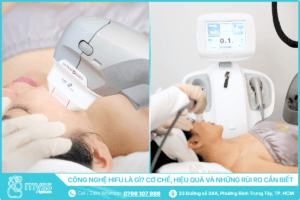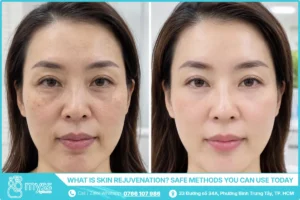


HIFU technology uses high-intensity focused ultrasound to lift and rejuvenate skin without surgery. The waves travel through the skin’s surface, converge at a precise point deep below it, and generate heat exactly there, stimulating the body to produce collagen on its own.
That sounds simple. But most information about HIFU online skips three important points: how long it actually takes to see results, how long results last, and who shouldn’t get it. This article answers all three, based on clinical data rather than marketing copy.
What is HIFU?
HIFU stands for High-Intensity Focused Ultrasound. It wasn’t originally created for aesthetics.
HIFU was first used in medicine to destroy tumors without incisions: uterine fibroids, prostate cancer, and certain liver and pancreatic lesions. The principle is to focus ultrasound energy on a very small point inside the body, generating enough heat to destroy tissue at that point while leaving surrounding tissue untouched.
In skin aesthetics, the same principle is used, but at a much lower energy level. The goal isn’t to destroy tissue – it’s to create tiny, controlled thermal injury points that trigger a wound-healing response and boost collagen production.
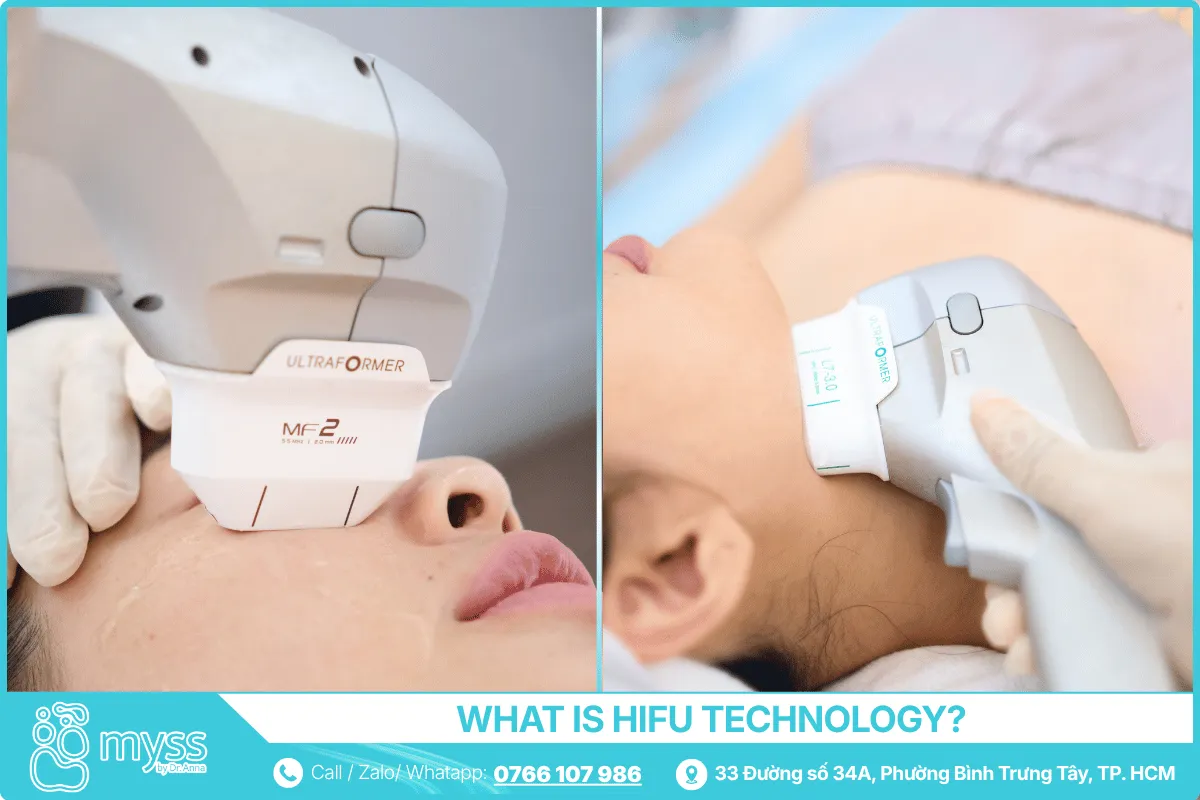
HIFU is not laser
Many people search for “laser HIFU,” but that term is technically incorrect.
Laser uses light. HIFU uses sound waves. These are two entirely different forms of physical energy, they penetrate skin differently, and they produce different results. Laser typically acts strongly at the superficial and mid-dermal layers. HIFU goes straight to the deep layer without damaging the surface.
If a clinic markets its service as “laser HIFU,” that’s a sign the person advising you doesn’t fully understand the technology they’re selling.
How HIFU technology works
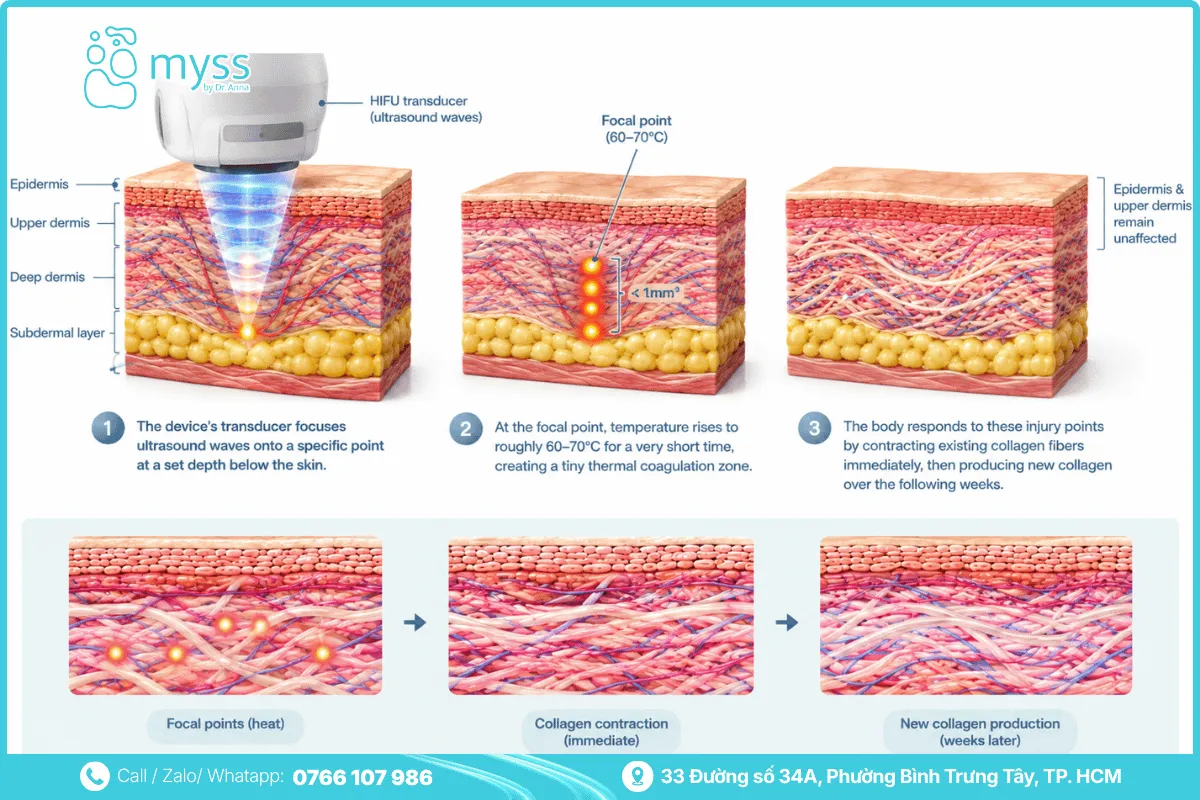
The device’s transducer focuses ultrasound waves onto a specific point at a set depth below the skin. At that focal point, temperature rises to roughly 60-70°C for a very short time, creating a tiny thermal coagulation zone called a focal point. Each focal point is smaller than 1mm³, sitting in the deep dermis down to the subdermal layer, while the epidermis and upper dermis above remain unaffected.
The body responds to these injury points much like it would to a small wound: existing collagen fibers contract immediately, then the body starts regenerating and producing new collagen over the following weeks.
The biggest difference between HIFU and lasers or microneedling is that the epidermis is left completely untouched. Energy passes through the surface before concentrating below it. That’s why skin doesn’t peel and there’s no downtime.
Three depth levels and what each one means
HIFU devices use different transducer tips to deliver energy to different tissue layers. On the face, the three common depths are:
- 1.5mm (10.0 MHz transducer) – the superficial dermis. Used for thin-skin areas like around the eyes, improving fine lines and skin texture.
- 3.0mm (7.0 MHz) – the deep dermis. Targets the layer richest in collagen and elastin, making skin thicker and more elastic.
- 4.5mm (4.0 MHz) – the SMAS layer.
SMAS stands for Superficial Musculoaponeurotic System – the superficial muscle fascia layer. This is the fibromuscular tissue between the skin and facial muscles, responsible for keeping the face firm. As the SMAS sags with age, cheeks drop and the jawline blurs.
In a surgical facelift, the surgeon pulls and secures this very SMAS layer. HIFU is one of the few non-invasive technologies that can deliver energy down to it – which is why HIFU is classified as a lifting technology, not just a surface-tightening one.
For body areas with thicker tissue, like the abdomen or thighs, devices use deeper tips, some up to 13mm. On the face, though, the three depths above are standard.
What sets MFU-V apart from standard HIFU
This is a detail few people pay attention to, even though it largely determines how safe a session is.
MFU-V stands for Micro-Focused Ultrasound with Visualization – micro-focused ultrasound with real-time imaging guidance. Devices in this category let the doctor see an ultrasound image of the tissue layer right before firing energy. The doctor knows exactly whether what’s under the tip is fibrous tissue, fat, or bone before deciding whether to fire.
Without this feature, the practitioner has to rely on experience and feel. On a thin face, being off by just a few millimeters can send energy into the fat layer instead of the fascia.
Pooled research on HIFU complications consistently points to the same root causes: incorrect device settings, an under-qualified practitioner, and inadequate tissue assessment before treatment. All three are directly tied to whether the tissue layer was actually visualized.
What does HIFU technology actually do?
HIFU’s effects on facial skin fall into three groups.
Lifting sagging areas. This is its signature effect, made possible by reaching the SMAS layer. The areas that respond most visibly are usually the jawline, chin area, and lower cheeks. The face becomes more defined along its contours rather than simply “tighter.”
Reducing wrinkles and improving skin texture. Newly produced collagen thickens and firms the skin, gradually softening fine lines. HIFU does not address dynamic wrinkles caused by muscle movement, such as forehead lines from raising eyebrows – that’s what botox is for.
Improving firmness of the neck and under-chin area. The neck has less fat and thinner skin, so it tends to age earlier than the face. It’s also an area many people are especially concerned about.
One thing needs to be said plainly: HIFU does not replace a surgical facelift. Its improvement is moderate and natural-looking. If you expect the dramatic change of surgery, HIFU will disappoint you.
Is HIFU technology effective, and how soon do you see results?
It is effective, but you need patience, and your expectations should match the technology’s actual mechanism. Right after the session, skin may look tighter – but that’s mostly mild swelling from the heat response. It will subside within a few days. The real lifting effect comes from new collagen, and collagen takes time to form.
Timeline based on clinical studies:
- Immediately to 1 week after: skin feels slightly tight from swelling, may be mildly red or tender, and this isn’t the final result yet.
- 2-4 weeks: swelling has resolved, some people notice smoother skin, but changes are still minimal.
- 2-3 months: improvement becomes noticeably visible – a reasonable point to take comparison photos.
- 3-6 months: results reach their peak.
A systematic review on the efficacy of microfocused ultrasound for facial skin tightening notes that results may not be fully visible until 3 to 6 months after treatment, because collagen remodeling happens slowly.
If anyone promises instant results, they’re describing swelling, not lifting.
How long do HIFU results last?
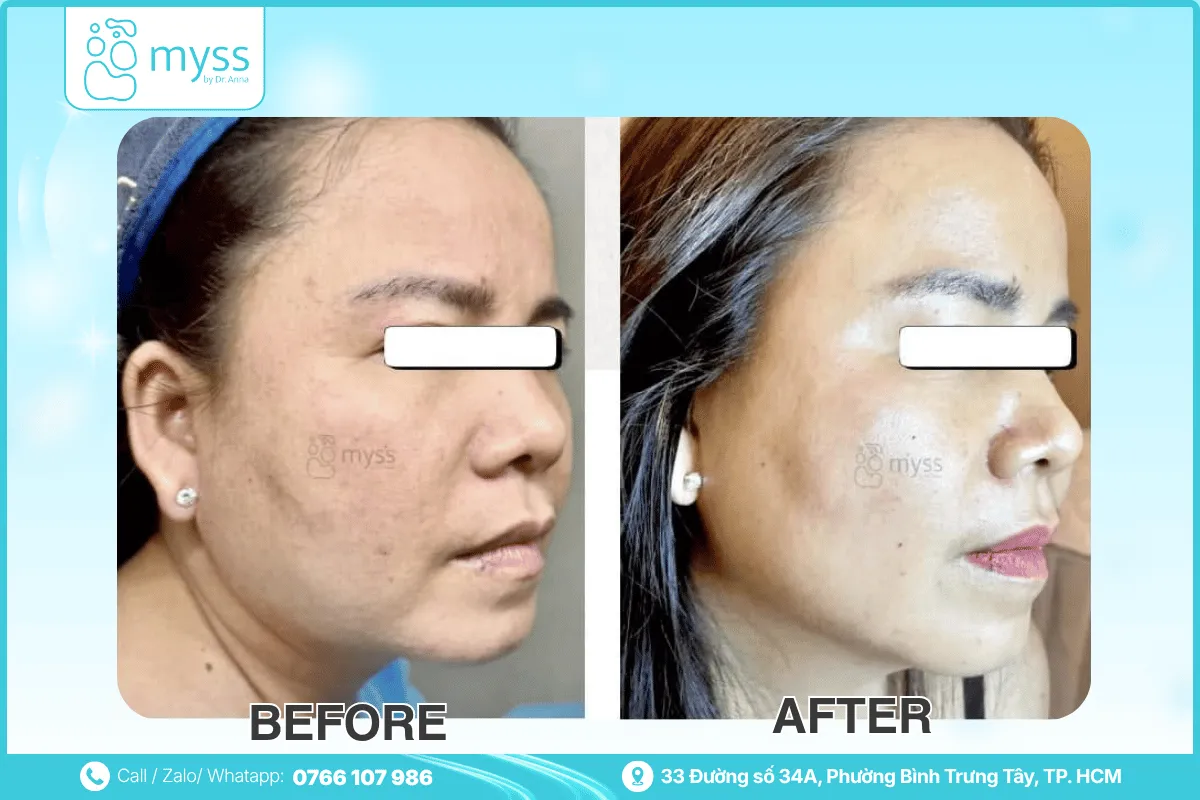
The longest follow-up data currently in the medical literature is 1 year. Studies show collagen synthesis and remodeling after treatment can continue for up to 12 months, with patient-reported improvement rising from 42% at the 90-day mark to 53% at 360 days.
Beyond the one-year mark, there’s no clinical data to draw conclusions from. So figures like “results last 3-5 years,” seen on some aesthetic clinic websites, are not backed by any study.
It’s also worth remembering: aging doesn’t stop after you get HIFU. Collagen keeps declining with age. HIFU slows and pushes back visible aging – it doesn’t lock it in place.
Risks and side effects of HIFU technology
You’ll often read that HIFU has virtually no side effects, but that’s not quite accurate. HIFU is safe when performed correctly, but it does have side effects. It also has rare but notable complications. Understanding the difference helps you know what’s normal and what warrants a follow-up visit with your doctor.
Common, self-resolving effects
- Redness and mild swelling for a few hours to a few days
- Tenderness or dull ache to the touch, lasting a few days to 1-2 weeks
- Mild numbness or a tingling sensation in the treated area
- Small bruises at certain points
- Pain during the procedure, varying by person and by area
Rare but serious
A 2024 review of adverse events associated with microfocused ultrasound identified three complication categories reported most frequently: fat atrophy, nerve-related issues, and scarring. A 2025 review of HIFU complications in aesthetic procedures adds further detail:
- Localized fat atrophy. When energy enters the fat layer instead of the fascia, fat is destroyed, leaving a hollowed area. People with thin faces and little subdermal fat carry a higher risk.
- Nerve injury. Prolonged numbness, paresthesia, and in some cases eyelid ptosis have been reported. Most cases resolve, but recovery can take weeks to months.
- Burns and scarring at contact points, usually from energy settings that were too high.
- Post-inflammatory hyperpigmentation, more common in darker skin tones.
- Rarer cases reported include tinnitus and trigeminal nerve pain during the procedure.
Why Vietnamese skin needs different settings
Most original HIFU research was conducted on Fitzpatrick skin types I to III. Vietnamese skin mostly falls into types III to IV. That difference has real clinical significance.
Darker skin has larger melanosomes, more melanin, and a higher proportion of eumelanin. The result is a markedly higher risk of post-inflammatory hyperpigmentation. Once it appears, it also tends to be darker and longer-lasting than in lighter skin. Asian skin also has a thinner stratum corneum, making it more prone to irritation.
A regional consensus among Asian experts on microfocused ultrasound therefore recommends adjusting settings to the skin characteristics of specific population groups rather than applying Western protocols unchanged.
What this means for you: a clinic that uses the device’s default settings on every client, regardless of skin type, is overlooking an important variable. Ask your doctor whether energy levels are adjusted for your skin type.
Why complications happen
Studies trace complications back to three causes, none of which lie in the technology itself:
- Incorrect device settings. Energy set too high, or the wrong depth chosen for that area.
- An under-qualified practitioner. Not understanding facial anatomy, especially nerve pathways.
- Inadequate pre-treatment assessment. Not measuring fat thickness, not considering the person’s build and medical history.
In other words, most of HIFU’s risk comes from the person operating the device, not the device itself.
Who should and shouldn’t get HIFU?
Good candidates
- Mild to moderate skin sagging, most common between ages 30-55
- Skin that still has some natural elasticity
- Early jawline blurring, slight cheek drop, or an emerging double chin
- People who want natural improvement, don’t want surgery, and can’t take downtime
Contraindicated
- Pregnant or breastfeeding
- Have a pacemaker, defibrillator, or metal implants in the treatment area
- The treatment area has an active infection, open wound, or severe inflammatory acne
- History of keloid or hypertrophic scarring
- Recent filler or silicone injections in the intended treatment area
- Bleeding disorders or currently on blood thinners
Should consider other options
This group is talked about less, but it matters just as much:
- Significant skin sagging. HIFU is designed for mild to moderate cases. For visibly sagging skin, especially on the neck, results usually aren’t worth the cost. A surgical facelift is a more reasonable choice.
- Thin faces with little subdermal fat. Higher risk of fat atrophy. The result can make the face look hollower instead of firmer.
- Severe sun damage. The main issue here is skin quality and pigmentation, not muscle laxity. A different treatment plan is needed.
A clinic acting in good faith will tell you if you fall into this group instead of selling you a treatment package. At Myss Clinic, a dermatologist examines and assesses your skin before recommending any treatment. If HIFU isn’t the right fit for your condition, the doctor will say so and suggest an alternative.
The HIFU process at a dermatology clinic
A complete session involves five steps. The first step is what separates a clinic with an actual doctor from a facility that just sells the service.
- Consultation and skin assessment. The doctor evaluates sagging level, tissue thickness, skin quality, and medical history. This is when it’s determined whether you’re a good fit for HIFU.
- Treatment planning. Choosing treatment areas, depths, and the number of shots per area. There’s no one-size-fits-all setting for every face.
- Cleansing and numbing. Topical anesthetic usually needs 30-45 minutes to take effect.
- The procedure. About 45-90 minutes depending on the number of areas. You’ll feel short bursts of heat, with intensity varying by area – areas closer to bone, like the jaw and forehead, tend to feel more tender.
- Follow-up. Check-ins at the 1-month and 3-month marks to assess response and take comparison photos.
What the doctor assesses during the consultation
The consultation isn’t a formality. It’s when it’s decided whether you should get HIFU at all, and if so, where on the face and at what energy level.
Four factors the doctor needs to determine:
- Degree of sagging. Distinguishing surface skin laxity from SMAS-layer laxity. The two can look similar but respond very differently to HIFU.
- Subdermal tissue thickness. Determines whether the 4.5mm tip can be used safely. Thin people’s cheeks sometimes don’t have enough tissue to safely treat at the deepest level.
- Fitzpatrick skin type. Directly affects the energy level chosen, as noted above.
- History of previous treatments. Filler, thread lifts, or silicone previously injected in the treatment area all change tissue structure and need to be known beforehand.
Skin care after HIFU
HIFU doesn’t damage the skin’s surface, so there’s no real downtime. Still, a few things are worth doing in the first 1-2 weeks:
- Wash your face gently by hand – avoid exfoliating pads or cleansing brushes
- Use sunscreen every day, even indoors
- Pause strong actives like retinol, AHA, and BHA for about 5-7 days
- Avoid saunas, very hot showers, and intense workouts for the first few days
- Stay hydrated and moisturize regularly to support skin recovery
- Contact your doctor if redness lasts more than a week, if a hollow area appears, or if numbness hasn’t improved after 2 weeks
How to choose a safe clinic for HIFU
Since most of the risk lies with the practitioner and the device, here are four questions worth asking before you decide.
1. What device is it, and which manufacturer makes it? A transparent clinic will give you a specific device name right away. If the answer is just “Korean HIFU technology” or “genuine imported machine” with no clear name, ask further.
2. What certifications does the device have? Ask to see certification and import documents. Note that different HIFU devices carry certifications from different regulatory bodies – not every device has all of them. A clinic that names a specific certification is more credible than one that vaguely claims “meets international standards.”
3. Who performs the procedure directly? A dermatologist or a technician. For a procedure whose complications are directly tied to anatomical knowledge, this isn’t a small detail.
4. Is there a consultation beforehand? If a clinic is willing to book you in for HIFU over the phone without ever having seen your skin, they’re skipping the most important step.
On pricing, HIFU facial lifting in Vietnam currently ranges widely, commonly from about 7 to 40 million VND per treatment depending on the area, number of shots, and device type. An unusually low price usually comes with one of three catches: an unverified device, a tip that’s already exceeded its rated shot count, or fewer actual shots than advertised.
These four questions are exactly what Myss Clinic answers proactively at your first consultation. You’ll be told the device name, shown documentation, and meet the doctor who will actually perform your treatment. See the dermatology team at Myss Clinic.
Frequently asked questions about HIFU technology
Does HIFU hurt?
There’s a tolerable level of discomfort. You’ll feel short bursts of heat and tenderness as the device fires energy, more noticeable near bone, such as the jawline and forehead. Numbing cream applied 30-45 minutes beforehand significantly reduces this. Afterward, some people feel mild tenderness to the touch for a few days to two weeks.
Is HIFU harmful to skin in the long run?
When performed with the correct indication and settings, HIFU doesn’t cause long-term skin damage, since the surface layer isn’t affected. Long-term risk mainly comes from technical error: localized fat atrophy or nerve injury from energy reaching the wrong layer. That’s why choosing the practitioner matters more than choosing the technology.
How long do HIFU results last, and when should you repeat treatment?
Current clinical data shows results lasting around 12 months. No studies have tracked results beyond one year, so claims of 3-5 years of results aren’t supported by evidence. Most people consider a repeat treatment after 12 months, depending on their rate of aging and individual response.
Are HIFU and Ultherapy the same thing?
Not exactly. Ultherapy is a specific device in the image-guided microfocused ultrasound category, approved by the US FDA for individual indications: eyebrow lift in 2009, under-chin and neck in 2012, and chest wrinkles in 2014. HIFU is the general name for the whole technology category, and many devices in it don’t carry these certifications. When consulting, ask specifically which device is being used.
At what age should you get HIFU?
Usually from age 30 onward, when mild sagging first appears along the jawline and cheeks. Under 30, when skin is still firm, HIFU tends to make little noticeable difference. Age isn’t the only criterion – the degree of sagging and skin elasticity are what actually matter.
How long after HIFU do you see results?
Improvement becomes clearly visible after about 2-3 months and peaks around 3-6 months. The tightness felt right after treatment is mostly mild swelling, not the lifting effect itself. Taking a “before” photo is worthwhile for comparison at the 3-month mark.
Can HIFU make your face look hollow?
It can, if energy enters the subdermal fat layer instead of the fascia. This is called localized fat atrophy and is one of the most frequently documented complications in the literature. People with thin faces and little subdermal fat are at higher risk and need careful assessment before treatment is indicated.
How much does one HIFU session cost?
Cost in Vietnam commonly ranges from 7 to 40 million VND per treatment, depending on the area, number of shots, and device type. It’s worth asking about the specific shot count rather than comparing total price alone, since that’s the factor that creates the biggest difference between quotes.
What to remember before deciding
HIFU technology is a reasonable choice for mild to moderate sagging when you want natural improvement without surgery. The effect is real but takes time – visible around 2-3 months, lasting about a year based on current data.
Most of the risk lies not in the technology but in the practitioner and the device. So the time worth investing isn’t in comparing prices between clinics – it’s in finding a place that examines you properly before selling you a treatment.
If you’re considering HIFU but aren’t sure it’s right for you, book a consultation with a dermatologist at Myss Clinic. The visit will tell you exactly how much sagging you have, whether HIFU is the right choice, and how many shots each area needs — so you know before you spend.
Read more: an in-depth look at HIFU facial lifting, or explore the skin rejuvenation and lifting service at Myss Clinic.

Sources
- Microfocused Ultrasound With Visualization: A Systematic Review of Adverse Events and Risk of Subsequent Facelift Compromise. PubMed, 2024.
- A Systematic Review of the Efficacy of Microfocused Ultrasound for Facial Skin Tightening. PMC9861614.
- Complications and Risks of High-Intensity Focused Ultrasound (HIFU) in Esthetic Procedures: A Review. Applied Sciences, 2025;15:4958.
- Skin physiology and safety of microfocused ultrasound with visualization for improving skin laxity. Clin Cosmet Investig Dermatol.
- Microfocused Ultrasound With Visualization in Skin Quality: A Narrative Review. J Cosmet Dermatol, 2025.
- High-Intensity Focused Ultrasound: A review of mechanisms and clinical applications. Ann Biomed Eng, 2021;49:1975.
- Ultherapy device approval records, US Food and Drug Administration (FDA), 2009, 2012, and 2014.
- Prevention of Post-Inflammatory Hyperpigmentation in Skin of Colour: A Systematic Review. Australas J Dermatol, 2025.
- Customized Treatment Using Microfocused Ultrasound with Visualization: A Pan-Asian Adaptation of the Expert Panel’s Gold Standard Consensus. J Clin Aesthet Dermatol.
This article is for informational purposes only and does not replace a consultation or diagnosis from a doctor. Treatment results vary depending on individual skin condition and constitution.